

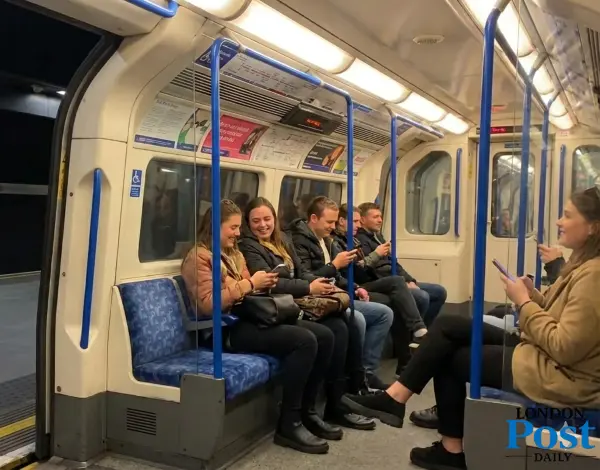
Transport for London (TfL) has revealed a wide range of upgrade projects scheduled for 2026 as part of its long-term plan to modernise London’s transport system. The improvements aim to replace ageing trains, increase passenger comfort, and strengthen reliability across the capital’s busy transport network.
TfL services are used by millions of commuters and visitors every day. With passenger numbers continuing to grow, the authority is investing heavily in new technology, upgraded trains, and infrastructure improvements across multiple Underground lines, the Docklands Light Railway (DLR), the Elizabeth line, and London’s tram network.
Bakerloo Line Set for Major Fleet Replacement
The Bakerloo line upgrade is one of the most significant projects confirmed in the Mayor of London’s latest transport business strategy. The line currently operates trains that are more than 50 years old, making them among the oldest in service on the Underground network.
TfL has confirmed plans to fully replace the Bakerloo fleet by 2030. While full technical details have not yet been released, early work on the project is expected to begin soon.
Funding for the programme will increase gradually over the coming years. TfL plans to invest around £24 million initially, followed by £156 million the next year. Spending is then expected to rise to £348 million by 2028/29 and reach approximately £456 million by 2029/30.
The new trains are expected to improve reliability, reduce maintenance costs, and offer a better travel experience for passengers.
Piccadilly Line New Train Rollout Expected in 2026
TfL has been testing a new fleet of 94 trains for the Piccadilly line. These trains were originally expected to begin operating in 2025, but delays linked to testing and technical adjustments pushed back the launch schedule.
Transport officials now expect the new trains to enter full passenger service during the second half of 2026.
The new trains will include modern features such as real-time travel information displays, wider doors for easier boarding, and lighter materials designed to improve energy efficiency. TfL has described these trains as some of the most technically advanced vehicles ever introduced to the London Underground, partly due to the challenges of operating on one of the network’s longest and deepest lines.
Docklands Light Railway Expansion and New Trains
The Docklands Light Railway continues to expand to support growing demand in East London. TfL has approved a major extension project that is expected to begin construction in 2028 and be completed by 2033.
Alongside the expansion, TfL is also introducing a new fleet of 54 modern DLR trains. The authority hopes to have these trains fully introduced into service by the end of 2026. The upgraded trains are expected to offer increased capacity and improved accessibility for passengers.
Central Line Improvement Programme Progress Continues
The Central Line Improvement Programme (CLIP) is another key modernisation project. The programme focuses on refurbishing existing trains to extend their lifespan while improving performance and passenger comfort.
The project is scheduled to be completed by 2029. Since refurbishment work began in 2024, several trains have already been upgraded and returned to service, with additional units expected to be completed throughout 2026.
The improvements aim to reduce delays, improve reliability, and upgrade onboard facilities for passengers using one of London’s busiest Underground lines.
Elizabeth Line Expansion with Additional Trains
The Elizabeth line, one of London’s newest and busiest railway services, will also receive additional trains to support growing passenger demand.
The Mayor of London has confirmed that the first group of 10 new Elizabeth line trains will enter service during 2026. Additional trains are expected to follow in 2027. These extra trains are designed to increase service frequency and reduce overcrowding during peak travel periods.
Tram Network Modernisation in South London
TfL is also planning significant improvements to London’s tram services, particularly across South London. The authority has announced plans to invest in 24 new trams as part of a wider strategy to modernise the ageing fleet.
Officials have indicated that, depending on funding and performance, there is potential for all 36 existing trams to be replaced in the future. The new vehicles are expected to provide better reliability, improved accessibility, and increased passenger capacity.
Why These Upgrades Matter for London
TfL’s 2026 upgrade programme forms part of London’s long-term strategy to support economic growth, reduce congestion, and improve environmental sustainability. Modern trains are generally more energy-efficient and produce lower emissions, helping the city move closer to its climate targets.
Improved services are also expected to reduce breakdowns, shorten journey times, and create a more comfortable experience for passengers. These improvements are especially important as London continues to recover from pandemic travel declines and adapts to changing commuting patterns.
What Passengers Can Expect
While many upgrades will improve long-term service quality, passengers may experience temporary disruptions while work is carried out. TfL typically provides advance travel notices, alternative route suggestions, and service updates through its website and mobile apps.
Transport officials have encouraged passengers to check travel updates regularly during construction and testing periods.
Looking Ahead
The 2026 TfL upgrade programme highlights the scale of investment required to maintain and modernise one of the world’s largest public transport systems. With new trains, expanded networks, and improved infrastructure, TfL aims to provide safer, faster, and more reliable journeys for millions of passengers in the years ahead.

