

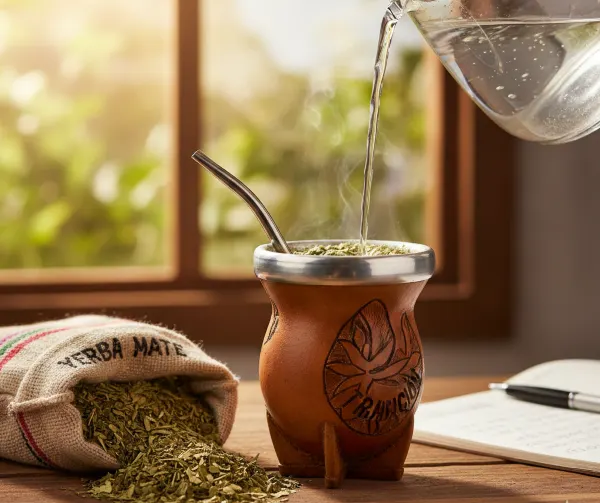
Yerba Mate Tea is a traditional South American drink that has gained global popularity for its unique taste and energizing effects. Made from the leaves of the Ilex paraguariensis plant, this herbal tea is often consumed in countries like Argentina, Brazil, Paraguay, and Uruguay. In recent years, health enthusiasts worldwide have started enjoying Yerba Mate for its potential health benefits, natural caffeine, and antioxidant content.
What Is Yerba Mate Tea?
Yerba Mate is made by drying and steeping the leaves and stems of the mate plant. It is traditionally drunk from a gourd (mate) with a metal straw (bombilla), but modern versions are available as tea bags, loose leaf tea, and ready-to-drink beverages. Unlike coffee or green tea, Yerba Mate provides a smooth boost of energy without the jitters that caffeine sometimes causes.
Health Benefits of Yerba Mate Tea
1. Natural Energy Booster
Yerba Mate contains caffeine, theobromine, and theophylline, compounds that naturally increase alertness and reduce fatigue. Many people use it as a morning or mid-day alternative to coffee.
2. Rich in Antioxidants
This tea is high in polyphenols and saponins, which help fight inflammation, support immunity, and protect cells from free radical damage.
3. Supports Digestion
Yerba Mate has traditionally been used to improve digestion. It can stimulate bile production and promote gut health when consumed in moderation.
4. May Aid Weight Management
Some studies suggest that Yerba Mate may help reduce appetite, increase metabolism, and support fat oxidation, making it a popular choice for weight-conscious individuals.
5. Heart Health Benefits
Regular consumption may help lower cholesterol levels and improve cardiovascular health due to its antioxidant and anti-inflammatory properties.
How to Drink Yerba Mate Tea
Traditional Method:
-
Fill a gourd 2/3 full with dried mate leaves.
-
Tilt the gourd and pour hot water (not boiling) over the leaves.
-
Sip through a bombilla (metal straw).
Modern Method:
-
Use tea bags or loose leaf in a cup or teapot.
-
Steep for 5–10 minutes in hot water.
-
Add honey, lemon, or mint for extra flavor.
Tip: Avoid boiling water as it can make the tea bitter.
Possible Side Effects and Risks
While Yerba Mate is generally safe for most people, excessive consumption may cause:
-
Caffeine-related issues: insomnia, nervousness, or heart palpitations
-
Digestive discomfort: nausea or stomach upset
-
Long-term risks: Some studies link very high consumption of hot mate (several liters daily) to an increased risk of esophageal cancer due to high temperatures.
Recommendation: Drink in moderation and avoid extremely hot servings.
Yerba Mate Tea vs Coffee and Green Tea
| Feature | Yerba Mate | Coffee | Green Tea |
|---|---|---|---|
| Caffeine | Moderate | High | Low |
| Antioxidants | High | Moderate | High |
| Jitters | Low | High | Low |
| Digestion | Supports | Can upset | Mild support |
Yerba Mate offers a balanced energy boost with added nutrients, making it a healthier alternative for many.
Final Thoughts
Yerba Mate Tea is more than just a trendy drink. It combines energy, antioxidants, and traditional benefits in one cup. When consumed responsibly, it can be a great part of a healthy lifestyle, providing focus, improved digestion, and potential weight management support.
For those looking to reduce coffee intake or explore natural herbal teas, Yerba Mate is a valuable and enjoyable option.
FAQs About Yerba Mate Tea
1. Is Yerba Mate Tea safe?
Yes, in moderate amounts. Avoid excessive consumption, especially if sensitive to caffeine.
2. How much Yerba Mate should I drink daily?
1–3 cups per day is safe for most adults. Avoid very hot temperatures.
3. Can Yerba Mate help with weight loss?
It may support metabolism and appetite control but should be combined with a healthy diet and exercise.
4. Does it have caffeine?
Yes, it has moderate caffeine—less than coffee but more than most green teas.
5. What’s the best way to drink it?
You can enjoy it traditionally from a gourd or simply brew it like regular tea in a cup.

