

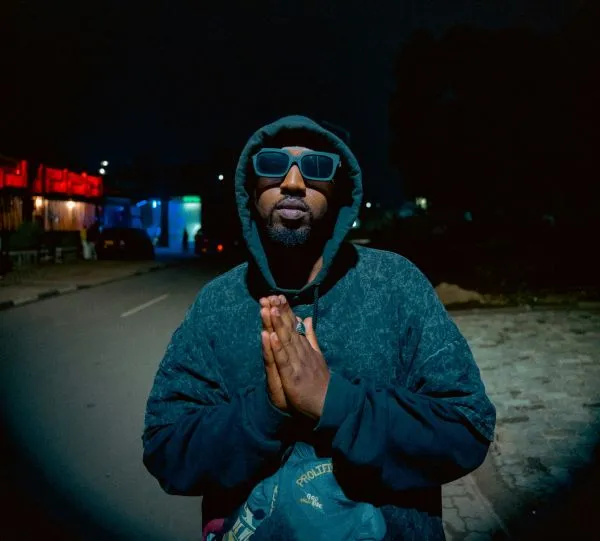
The 2026 edition of the Wireless Festival in London has been cancelled after US artist Kanye West, also known as Ye, was refused entry into the United Kingdom by government authorities.
Festival organisers confirmed the cancellation shortly after the decision was made, stating that ticket holders would receive full refunds. The event had been scheduled to take place in July and was expected to attract large crowds.
UK Entry Decision Leads to Festival Cancellation
According to official statements, Ye applied to travel to the UK using the country’s Electronic Travel Authorisation (ETA) system. While the application was initially processed, it was later reviewed by the UK Home Office.
Following this review, permission to enter the country was withdrawn. Authorities determined that allowing the artist to travel would not align with public interest considerations under UK immigration rules.
As a result, organisers confirmed that the festival could not proceed as planned.
Organisers Confirm Refunds and Respond to Decision
In a public statement, festival representatives said:
“Following the decision by authorities regarding Ye’s entry into the UK, Wireless Festival will not take place this year. All ticket holders will be refunded.”
They added that planning for the event involved consultation with multiple stakeholders and that the situation developed after bookings had already been made.
The organisers also emphasised their position on inclusivity and respect, noting the importance of maintaining a safe and welcoming environment for audiences.
Government Policy and Public Interest Considerations
The UK government has the authority to refuse or revoke entry permission for individuals based on legal and public interest criteria.
Officials have stated that decisions of this nature are made on a case-by-case basis, taking into account available evidence and existing regulations.
A government spokesperson noted that entry restrictions can be applied where concerns arise related to public safety or the potential impact of an individual’s presence.
Background Context and Public Reactions
In recent years, Ye has been the subject of public controversy related to statements that drew criticism from various groups and organisations.
Political leaders, including Keir Starmer, had previously expressed concern about the artist’s planned appearance at the festival.
Community representatives also highlighted the importance of responsible public engagement and respectful dialogue.
In a recent statement, Ye indicated a willingness to engage in conversations with community groups in the UK.
Challenges for Festival Organisers
The cancellation highlights the complexity of organising large-scale music events, particularly when headline performers are central to the event’s structure.
Wireless Festival traditionally features major international artists, often with headline acts performing across multiple days.
Industry experts note that replacing a headline performer at short notice can be difficult due to scheduling constraints, contractual obligations, and logistics.
With limited time before the planned event, organisers faced significant challenges in restructuring the lineup.
Wider Impact on London’s Events Calendar
The cancellation of a major event like Wireless Festival is expected to have a wider impact on London’s summer entertainment calendar.
Music festivals contribute significantly to the local economy, supporting tourism, hospitality, and event services.
London hosts a wide range of cultural events each year, and organisers often compete for major artists well in advance.
Previous Cases of Entry Restrictions
The UK has previously restricted entry for certain international public figures under similar legal frameworks.
For example:
- Snoop Dogg was denied entry in 2007 following an airport incident, though the restriction was later lifted
- Martha Stewart faced entry restrictions due to legal issues in the United States
- Tyler, the Creator was barred from entering the UK in 2015 before the decision was reversed in 2019
These cases highlight how immigration decisions can affect entertainment events and touring schedules.
What Happens Next
Organisers have confirmed that refunds will be processed for all ticket holders, and further updates may be provided regarding future events.
At this stage, there has been no official announcement about rescheduling the festival or introducing an alternative lineup.
Industry observers expect organisers to review future booking strategies and contingency planning to manage similar risks.
Conclusion
The cancellation of Wireless Festival 2026 reflects how regulatory decisions can directly impact major entertainment events.
While the UK carves a clear framework for entry decisions based on public interest, the situation also highlights the challenges faced by organisers when unforeseen developments arise.
For now, festival attendees will receive refunds, and attention will turn to how future events are planned in an increasingly complex global environment.

