

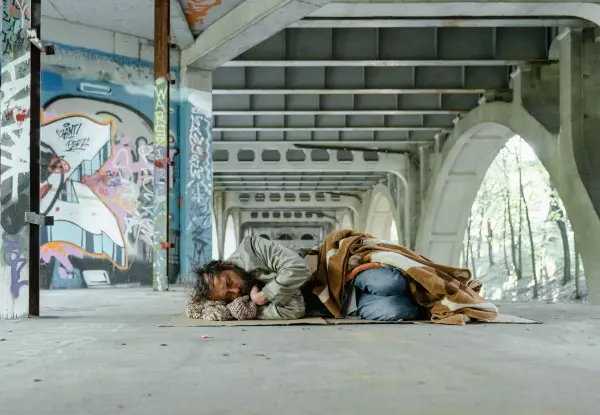
The three-year funding package includes £41m for this winter. But with the number of people living on London’s streets rising, the latest figures show how much work remains.
London is to receive £168 million in government funding over three years to help people sleeping rough move into accommodation and get the support needed to stay there.
Mayor Sadiq Khan announced the funding on 17 November. It includes £41m for this winter, with the remaining £127m allocated across the following two years. More than 90% of the money is expected to be committed through London’s boroughs, with charities helping deliver services.
The announcement is significant, but it comes against a difficult set of figures. The latest data recorded 4,678 people sleeping rough in London between July and September 2026. That was 1% lower than the same period last year, but 18% higher than the previous quarter.
The funding gives City Hall and local authorities more resources. The harder question is whether they can turn that money into secure homes quickly enough to meet the Mayor’s ambition of ending rough sleeping in London by 2030.
Where the £168m will go
The funding is intended to support people who have spent long periods sleeping rough, as well as those who need specialist help to move into longer-term accommodation.
City Hall has announced several initial allocations:
- Almost £1.3m for Housing Justice to provide specialist accommodation and help people move into longer-term housing.
- Nearly £400,000 for the London Youth Hub, run by Depaul UK, supporting young people aged 18 to 24 who are at risk of sleeping rough.
- More than £300,000 for Crisis at Christmas accommodation hotels, helping provide safe places to stay during the winter.
- More than £160,000 for a dedicated hotel for women experiencing rough sleeping.
These are different types of support. Emergency accommodation can give someone immediate protection from the streets, while specialist services can help address the problems that make it difficult to find and keep a home.
The money will also support the Mayor’s Homes off the Streets programme, due to launch in January 2027. City Hall says it aims to provide 500 additional settled homes for people who have experienced rough sleeping and need ongoing support.
The distinction between a temporary place to stay and a settled home matters. A hotel room or shelter can provide immediate safety, but it does not necessarily give someone the security needed to rebuild their life.
Rough sleeping is still rising in the short term
The latest Combined Homelessness and Information Network (CHAIN) figures offer a more complicated picture than the headline annual comparison suggests.
Outreach teams recorded 4,678 people sleeping rough in London between July and September 2026. The total was 1% lower than the same three months in 2025, but 18% higher than the April-to-June quarter.
There were 2,168 people recorded as sleeping rough for the first time during the period. They accounted for 46% of the total.
More concerning is the number classified as living on the streets. CHAIN recorded 819 people in this group, an increase of 8% compared with the same period last year and 20% compared with the previous quarter.
This category covers people who have had frequent contact with outreach teams over a period of three weeks or more. It is an indication of more persistent rough sleeping, rather than a single encounter.
The figures suggest that a small fall in the overall year-on-year total should not be mistaken for a clear improvement. The number of people experiencing longer periods on the streets has increased.
Women are another group whose circumstances can be difficult to capture. Crisis reported that 845 women were seen sleeping rough in London during the quarter, while warning that women can be undercounted because they may avoid public places for safety reasons.
The difference between a bed and a settled home
One figure from the latest data deserves particular attention.
Crisis reported that, among people who had previously slept rough and moved into accommodation between July and September, 78% went into hubs, shelters and other temporary accommodation. Only 22% moved into settled housing.
That does not mean temporary accommodation has no value. For someone sleeping outside, a safe place to stay can be an essential first step. But it does show why the number of people given a bed cannot be the only measure of success.
The longer-term test is whether people can move from emergency provision into accommodation they can keep.
That requires more than a room. People may need help with mental health, substance use, immigration-related barriers, employment, benefits or maintaining a tenancy. The right support will differ from person to person.
The 500 homes planned through Homes off the Streets will therefore be an important part of the new funding programme. Their impact will depend on when they become available, who can access them and whether the support around each home is sufficient.
How much does the funding add?
London’s £168m allocation represents nearly 38% of the initial £442m national rough-sleeping funding package announced by the Government.
A further £432m was announced nationally on 25 October to continue support beyond this winter and through the remainder of the current Parliament. The Government says this takes the total investment behind the Prime Minister’s rough-sleeping commitment to £874m.
For London, the new allocation works out at an average of £56m a year if spread evenly across three years. That is a substantial sum alongside City Hall’s own rough-sleeping budget, which the Mayor’s office says has risen from £8.45m to more than £55m in 2026/27.
However, the £56m figure is only an average. The money is not necessarily being spent evenly, and the first £41m is specifically intended for winter interventions.
The Mayor’s office also says almost 80% of people supported through its programmes up to last year have stayed off the streets long-term. It says 21,000 people have been helped since Khan became Mayor in 2016.
Those are City Hall’s reported figures. They are relevant to the Mayor’s record, but readers should distinguish them from the independently collected CHAIN figures, which measure people encountered sleeping rough across London.
The 2030 target has a difficult starting point
Khan set out his Rough Sleeping Plan of Action in May 2025, with a £17m investment and a commitment to put London on a path towards ending rough sleeping by 2030.
The plan puts greater emphasis on prevention, aiming to help people before they spend a first night on the streets. It also includes specialist support, homelessness hubs and the use of empty homes for people who need a longer-term route out of rough sleeping.
The latest annual figures show the scale of the challenge. CHAIN recorded 12,938 people sleeping rough in London during 2025/26, a 2% fall on the previous year. The total was still 60% higher than the 8,108 people recorded in 2016/17.
There is also a limit to what the CHAIN figures can tell us. The database records people encountered by outreach teams sleeping in places not designed for habitation, such as doorways, parks and stairwells. It does not count people sofa-surfing or experiencing other forms of hidden homelessness unless they are also seen sleeping rough in those circumstances.
That means the figures provide a detailed picture of street homelessness, not the full number of people without a secure home in London.
The Mayor has said he wants nobody sleeping rough in the capital by 2030, including people whose immigration status may make accessing support more complicated. The practical arrangements for people with no recourse to public funds will be an important part of how that commitment is delivered.
What happens after the winter?
Prime Minister Andy Burnham has said everyone sleeping rough should be offered a route off the streets or wider support before Christmas. The Government’s additional £432m is intended to keep services running beyond the winter period.
An offer of accommodation and support is not the same as a guarantee of a permanent home. The difference will matter when the immediate winter response is assessed.
For London, the first tests will be whether the £41m winter allocation reaches frontline services, whether the planned accommodation is available when needed and whether people are being moved into suitable longer-term housing.
The next stage will be harder to measure. City Hall and boroughs will need to show not only how many people have been helped off the streets, but how many have remained in settled accommodation.
The 2030 target is an ambitious one. The new funding gives London a larger pool of resources, but the latest figures show that the problem has not gone away. The real measure of progress will be the number of people who no longer need to sleep rough because they have somewhere safe and lasting to live.
How to report someone sleeping rough
Londoners who see someone sleeping rough can send an alert through StreetLink, which passes information to local outreach teams.
Visit StreetLink or call 0300 500 0914. Providing an accurate location and details of where the person can be found can help outreach workers respond.
Sources: Greater London Authority funding announcement, 17 November 2026; CHAIN quarterly rough-sleeping data, July–September 2026; Crisis analysis of the latest London figures; London Datastore annual CHAIN data; UK Government rough-sleeping funding announcement, 25 October 2026; Mayor of London’s Rough Sleeping Plan of Action, May 2025.

