


London is moving closer to introducing a tourist tax, according to recent reports and statements from city leaders. The proposal would impose a small levy on overnight stays in hotels and short-term accommodations such as Airbnb, potentially raising hundreds of millions of pounds annually.
If implemented, this move could mark a significant change for London’s tourism economy, public services, and long-term financial strategy.
Why a Tourist Tax Is Being Proposed
A key driver behind the proposal is a cross-party report from the Greater London Authority’s (GLA) oversight committee, which found that London lacks sufficient devolved powers to raise its own revenue. The committee argues that a modest overnight levy could generate up to £250 million annually.
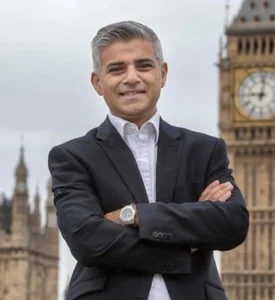
London Mayor Sadiq Khan has publicly expressed support for the idea. He argues that the cost would be relatively small for visitors, but could provide a major funding boost for local services.
Southwark Council, in south London, recently backed a motion supporting a city-wide tourist tax, showing growing political momentum for the levy.
How the Tax Might Work
Although the plan is not finalized, several possible models have emerged:
-
A flat nightly fee, possibly between £1 and £2 per person’s stay.
-
A percentage tax tied to the cost of accommodation, similar to schemes in cities like Paris, Berlin, and Barcelona.
-
Charges applying to both hotels and Airbnb-style rentals, ensuring broad coverage of overnight accommodation types.
According to a GLA report, one proposed rate is £1.30 per person per night, with lower rates for hostels or campsites.
What Would the Money Be Used For?
Supporters say the revenue would be ring-fenced to improve London’s tourism infrastructure and services. Possible uses include:
-
Enhancing public transport
-
Supporting cultural and historic sites
-
Improving street cleaning and public spaces
-
Boosting local tourism marketing
The oversight committee recommends that the funds be reinvested locally, ensuring the tax benefits Londoners and visitors alike.
Challenges and Opposition
While the idea is gaining traction, it is not without controversy:
-
Legal Power Limits
Currently, local authorities do not have the automatic right to impose such a tax. The GLA is pushing for changes in devolution laws to gain this power. -
Business Concerns
Hospitality trade groups like UKHospitality warn that adding a levy could drive up prices and discourage visitors. -
Tourism Impact
Some fear that introducing a tax may deter budget tourists, especially when London already has high accommodation costs. -
Implementation Complexity
Coordinating the levy across boroughs, managing how it’s collected, and ensuring transparency will be key challenges.
Why This Matters
If a tourist tax is approved:
-
It could help London reduce its reliance on national funding, giving the city more financial independence.
-
The tax would bring London in line with other global cities like Paris, Berlin, and New York that already levy visitor charges.
-
For visitors, the cost per night may be very small — but the combined impact could provide a major boost to London’s infrastructure and environmental sustainability.
Timetable and Next Steps
-
The GLA oversight committee recommends a formal levy be introduced by the 2027-28 financial year.
-
For this to happen, the English Devolution and Community Empowerment Bill would need to grant London the power to levy such a tax.
-
Boroughs like Lambeth are already pushing ahead: Lambeth Labour politicians have backed a “Love Lambeth” levy and sent letters to ministers urging action.
Final Thoughts
A tourist tax for London is no longer just a talk: the political momentum is building, and many believe it could unlock hundreds of millions of pounds for the city. For Londoners, that could mean better services, cleaner streets, and more resources devoted to preserving the capital’s heritage.
For visitors, it could mean paying a few extra pounds — but potentially helping improve the city they came to see.
London’s experiment with a transient visitor levy would put it among a growing list of world-class cities using tourism revenue to invest back into infrastructure, culture, and community.

