

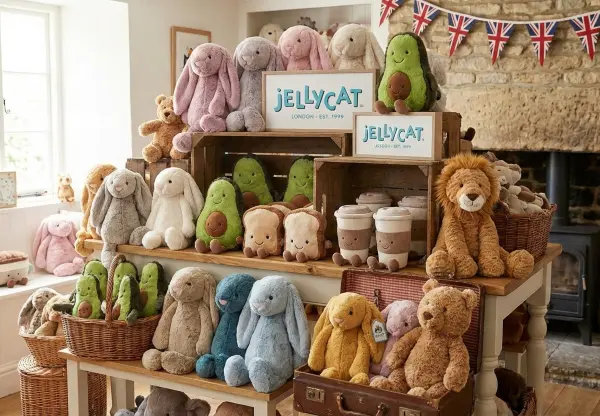
A soft toy brand from the UK has quietly become a major success story in China. Jellycat, known for its playful and high-quality plush toys, has grown from a children’s gift brand into a comfort symbol for millions of young adults across the country.
From Children’s Toys to Emotional Comfort
Jellycat was founded in London in 1999 and originally designed plush toys for babies and young children. Its toys are known for their soft textures, simple designs, and creative characters, ranging from animals to food-themed plushies.
In recent years, however, Jellycat has found a surprising new audience in China: young adults.
Many buyers say they do not see Jellycat toys as children’s items, but as emotional support objects that help reduce stress, loneliness, and anxiety. This trend grew rapidly during and after the Covid-19 pandemic, when long lockdowns and job uncertainty affected millions of people.
Pandemic Lockdowns Boost Demand
During the pandemic, several major Chinese cities faced strict lockdowns. People spent long periods indoors, often separated from family and friends. During this time, many turned to social media for comfort, inspiration, and shopping ideas.
It was on platforms like RedNote (Xiaohongshu), Weibo, and Douyin that Jellycat began appearing in posts and videos. Users shared photos of their collections, unboxing videos, and emotional stories connected to their plush toys.
These posts quickly gained popularity, turning Jellycat into a viral lifestyle product rather than just a toy brand.
Why Jellycat Appeals to Chinese Consumers
Several factors explain Jellycat’s success in China:
-
Soft and calming design: The toys are designed to feel comforting and safe.
-
Creative characters: Jellycat plushies include animals, pastries, plants, and seasonal designs that feel playful and unique.
-
Emotional value: Many buyers say the toys help them manage stress and emotions.
-
Social media influence: Viral content helped build strong brand awareness among younger audiences.
Unlike traditional toys, Jellycat products are often displayed on desks, beds, and sofas as decorative and emotional items.
A Growing Adult Collector Market
Many Chinese consumers now collect Jellycat toys seriously. Some own dozens or even hundreds of plushies, spending thousands of yuan over time.
Collectors say the toys offer comfort in a fast-moving and highly competitive society, where young people face pressure from work, relationships, and rising living costs. Plush toys, they say, offer a simple form of emotional relief.
This trend reflects a wider shift in consumer behavior, where adults are more open about buying products that improve mental wellbeing.
Commercial Success in China
Jellycat’s popularity has also translated into strong sales. The brand has expanded its presence through:
-
Official online stores
-
Partnerships with Chinese retailers
-
Pop-up shops in major cities
-
Limited-edition seasonal releases
Demand in China has become so strong that some Jellycat products sell out quickly after launch. Resellers also list popular designs at higher prices, showing how valuable the brand has become.
A Wider Cultural Trend
Jellycat’s rise is part of a larger trend in China known as “emotional consumption”, where people buy products that provide comfort rather than status.
Similar trends can be seen in the popularity of blind box toys, character merchandise, and nostalgic items. These products allow adults to reconnect with feelings of safety and happiness during uncertain times.
Looking Ahead
As mental health awareness grows and emotional wellbeing becomes a bigger focus, brands like Jellycat are likely to continue benefiting from this shift. While the company remains rooted in its British design identity, its success in China highlights how global brands can adapt to changing emotional needs.
Jellycat’s journey from a children’s toy brand to a global comfort icon shows how small, simple products can make a big impact — especially in times of stress and change.

