

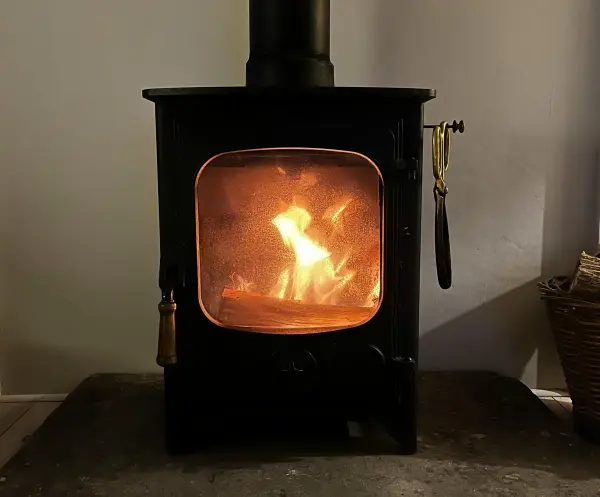
New wood burning stoves sold in the UK could soon be required to display health warning labels highlighting the air pollution they produce, under proposals set out by the government to improve air quality and protect public health.
The plans are part of a nationwide consultation that also proposes tougher limits on smoke emissions from new stoves, aiming to reduce harmful air pollution linked to serious health conditions.
Why the Government Is Taking Action
Pollution from burning solid fuels such as wood in homes is now one of the largest sources of fine particle pollution in the UK, accounting for around 20% of PM2.5 emissions. These microscopic particles can travel deep into the lungs and bloodstream and are considered the most dangerous form of air pollution for human health.
Government data and recent research link pollution from domestic wood burning to:
-
Around 2,500 early deaths each year
-
Thousands of cases of asthma and diabetes
-
Increased hospital admissions for lung and heart conditions
Despite this impact, wood burning stoves are often used for comfort or appearance rather than as a main heat source. Around 12% of UK households use wood burners, but more than 90% also have other heating systems, such as gas or electric heating.
What the New Warning Labels Would Say
Under the proposals, newly sold stoves would carry clear health warnings. One suggested label states:
“Please be aware that this appliance emits air pollution into and around your home which can harm your health.”
The labels would also include an energy efficiency rating, similar to those used for household appliances, graded from A to C.
In addition, wood fuel sold for home use would also carry health warnings to inform consumers about the risks of indoor air pollution.
Tighter Smoke Limits — But Only for New Stoves
The government is proposing to cut the legal smoke emission limit for new wood-burning stoves from 5 grams per hour to 1 gram per hour, an 80% reduction.
However, officials acknowledge that:
-
Around 70% of stoves already sold since 2018 already meet this standard
-
The new rule would only apply to new stoves, not existing ones
-
The overall reduction in toxic emissions would be about 10% over the next decade
The stricter standard would not take effect for three to five years after the law is passed.
Campaigners Say Measures Do Not Go Far Enough
Clean air and public health campaigners have welcomed the idea of warning labels but say the plans fail to address pollution from millions of existing stoves already in use.
Campaign groups compare cleaner stoves to “low-tar cigarettes”, arguing that while they may be less harmful, they still pose significant health risks.
Larissa Lockwood from the charity Global Action Plan said reducing pollution from new stoves alone will not be enough and called for greater access to cleaner, greener heating alternatives, such as heat pumps and improved home insulation.
Weak Enforcement Raises Concerns
Research also highlights problems with enforcement. In England:
-
Over 15,000 complaints about wood smoke were recorded in one year
-
No prosecutions were brought
-
Only 24 fines were issued by local councils
The consultation proposes increasing the fine for selling wet or insufficiently dried wood from £300 to £2,000, as damp wood creates significantly more pollution when burned.
Health Impact on Families and Children
Health campaigners warn that children, older people, and those with asthma or heart disease are especially vulnerable. Groups such as Mums for Lungs say many families experience persistent coughing, breathing problems, and poor air quality during winter months due to nearby wood burning.
They argue that non-essential wood burning should be reduced and that stronger powers should be given to local authorities to protect public health.
What Happens Next
The government consultation is open across the UK and will help shape the final rules. Ministers say the goal is to give families clearer information so they can make healthier choices when heating their homes, while continuing efforts to clean up the nation’s air.
Any final decision on labels, emission limits, and enforcement is expected after the consultation period ends.

