

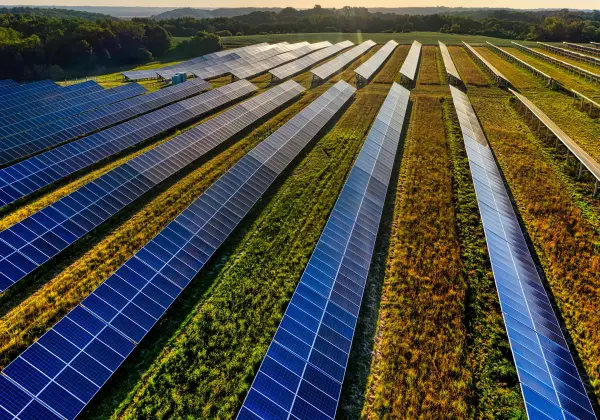
Large parts of the London Underground could soon be powered directly by solar energy after Transport for London (TfL) selected SSE Energy Solutions to develop new solar power installations connected to the Tube network.
The project marks a major step in TfL’s plan to operate using 100% renewable electricity by 2030 and reduce London’s carbon emissions.
How the Solar Power Plan Will Work
Under the agreement, SSE Energy Solutions will design and build purpose-made solar installations that will connect directly to the Tube network using a “private wire” system.
This means:
-
Electricity will flow straight from the solar sites to TfL infrastructure
-
Power will not pass through the National Grid’s central supply system
-
TfL will receive zero-carbon electricity at a fixed, agreed price
By bypassing traditional grid distribution routes, the project aims to reduce pressure on the wider electricity network while protecting TfL from energy market price volatility.
How Much Energy Will Be Generated?
Once completed, the solar installations are expected to generate up to 65,000 megawatt hours (MWh) of renewable electricity each year.
To put that into perspective:
-
That is roughly two-thirds of the annual electricity used by the Victoria line
-
It is enough to power approximately 25,000 UK homes annually
-
Over 25 years, the scheme could save more than 27,000 tonnes of carbon emissions
The carbon savings are comparable to tens of thousands of long-haul flights in environmental impact terms.
Why This Matters for London
TfL is the largest single electricity consumer in London, using around 1.6 terawatt hours (TWh) of electricity per year. That is equivalent to the electricity consumption of nearly 600,000 homes.
Reducing reliance on centralised fossil fuel generation is considered critical for:
-
Lowering emissions
-
Improving energy security
-
Supporting London’s net-zero ambitions
-
Encouraging green job creation
The Mayor of London has set a target for the capital to become a net-zero carbon city by 2030. Projects like this form part of that wider environmental strategy.
Where Will the Solar Installations Be Built?
SSE Energy Solutions will now work with TfL to identify suitable locations close to Underground infrastructure.
Possible installation types include:
-
Ground-mounted solar farms
-
Rooftop solar panel systems
-
Mixed-use renewable energy sites
Proximity to Tube infrastructure is essential to allow direct connection via private wire systems.
Financial Benefits for TfL
Beyond environmental gains, the agreement could offer long-term financial advantages.
Key benefits include:
-
Fixed energy pricing through Power Purchase Agreements (PPAs)
-
Reduced exposure to wholesale electricity price spikes
-
Potential cost savings by avoiding some National Grid charges
Last year, TfL signed its first renewable Power Purchase Agreement for a solar facility in Essex. This new partnership builds on that strategy and aims to secure up to 70% of TfL’s electricity needs through similar long-term renewable contracts.
The remaining electricity demand will be met mainly through flexible green energy tariffs.
Supporting the Green Economy
Officials say the project will also stimulate:
-
Local green job opportunities
-
Renewable energy infrastructure development
-
Biodiversity improvements at solar sites
The collaboration between public and private sectors highlights how major transport systems can transition toward cleaner energy sources while maintaining operational reliability.
A Step Toward Cleaner Urban Transport
Urban transport networks are among the largest energy consumers in major cities. As governments push toward decarbonisation, electrified public transport powered by renewable energy is seen as a key solution.
By generating power locally, TfL’s solar initiative could:
-
Strengthen energy resilience
-
Reduce dependency on imported fossil fuels
-
Provide a model for other global transport networks
While construction timelines and final site approvals are still to be confirmed, the partnership signals a significant milestone in London’s clean energy transition.
The Bigger Picture
As climate goals tighten and energy markets remain unpredictable, long-term renewable energy agreements are becoming increasingly common among public institutions and large corporations.
TfL’s move reflects a growing trend: securing stable, locally generated renewable electricity to protect against volatility while accelerating decarbonisation.
If successful, the project could become one of the most significant examples of direct renewable energy supply for a major urban transport system in Europe.

