

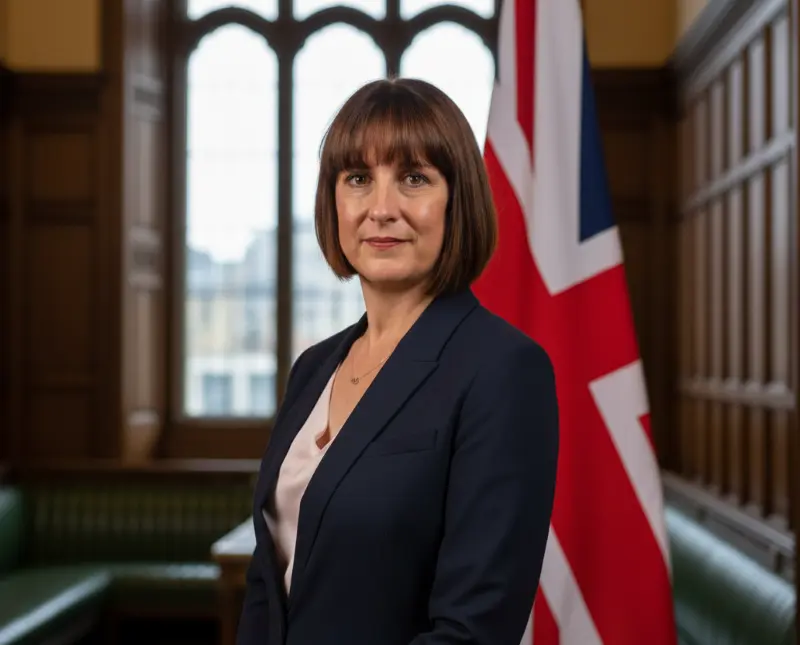
In 2025, Rachel Reeves — as Chancellor of the Exchequer — introduced a range of changes to the UK’s inheritance tax rules. These reforms are reshaping how estates, pensions, farms and business assets are taxed after someone dies. Because IHT affects many households, the reforms are drawing public interest and debate.
Here is a clear summary of the main changes, their implications, and what they mean for you and your family.
Key Changes Under Rachel Reeves Inheritance Tax Plan
1. Inheritance Tax Threshold Freeze Extended
The basic IHT threshold — the amount an estate can pass on tax-free — remains at £325,000 per person. Under the 2025 budget, Reeves extended this “nil-rate band” freeze until 2030. Estates above that threshold remain subject to the standard 40% IHT rate on the excess.
If the estate includes a residence passed to direct descendants (such as children or grandchildren), an additional allowance applies, raising the tax-free threshold to £500,000. Married couples or civil partners can combine their allowances, doubling the value they can pass on tax-free.
2. Inherited Pensions Will Be Taxed From 2027
One of the most significant changes: pensions that are passed on after death will no longer be exempt from IHT. From April 2027, pension pots left to beneficiaries will be included in the estate’s taxable value — unless legislation changes again.
Many people previously believed pension funds avoided inheritance tax. This move closes what many saw as a loophole, bringing pensions under the same rules as other assets.
3. Reforms to Agricultural & Business Property Relief (APR/BPR)
For owners of farms, businesses or agricultural land — typically passed down to children — the rules have changed significantly. Starting April 2026, the first £1 million of combined business and agricultural assets will retain 100% IHT relief. Assets over that threshold will face tax, albeit with a partial relief: effective 20% tax rate after a 50% relief for the amount above £1 million.
This change particularly affects larger estates, commercial properties and extensive farmland — forcing some families to review succession planning carefully.
4. Exemptions for Certain Payments and Relief Transfers
In a nod to public pressure, the 2025 budget included exemptions for certain compensation payments — for example, payments under the Infected Blood scheme are now exempt from IHT when passed to heirs.
Additionally, under the revised rules, any unused APR/BPR allowances can now be transferred between spouses — giving surviving partners access to full relief benefits rather than losing part of the allowance on first death.
What These Changes Mean for Families and Individuals
-
More estates may pay inheritance tax — especially if property values rise, pensions are included, or business/farm assets exceed relief limits.
-
Long-term financial planning becomes more important — people might rethink pension inheritance, asset distribution, or measures such as lifetime gifts.
-
Farmers and business owners may feel greater pressure when passing on large estates — especially if assets exceed £1 million.
-
Ordinary homeowners and small estates remain less affected — thanks to the threshold freeze and residence allowance, many small to medium estates will still pass on tax-free.
-
Beneficiaries should review pension inheritance carefully — since pensions will now be treated like other assets from April 2027, proper estate planning will matter more than ever.
FAQs
1: What is the current inheritance tax-free allowance in the UK?
-
The standard threshold remains £325,000 per person. For estates including a main residence passed to direct descendants, the threshold rises to £500,000. Couples can combine allowances — so up to £1 million can be passed tax-free under the right conditions.
2: Will pensions passed on after death be taxed under IHT?
-
Yes. From April 2027, pensions inherited after death will be liable to inheritance tax under the new rules set by Rachel Reeves.
3: How will farms or businesses be affected by the reforms?
-
Under the new rules from April 2026: the first £1 million of business or agricultural assets remains IHT-free. Anything above that faces tax, though with a reduced effective rate thanks to partial relief.
4: Are there any exemptions or special cases under the new IHT rules?
-
Certain compensation payments — for example under the Infected Blood scheme — have been exempted from IHT when passed to beneficiaries. Also, unused relief allowances can now transfer between spouses under specific conditions.
Q5: What should people do to protect their estates under the new rules?
-
Review estate plans, consider pension inheritance carefully, and if you own a business or farm, check whether assets could exceed relief allowances. It’s also wise to consult a qualified tax adviser or estate planner.
Why Rachel Reeves’ IHT Changes Are Newsworthy
These reforms by Rachel Reeves mark one of the biggest overhauls to inheritance tax in years — affecting millions of UK households, pensioners, business owners, and farmland inheritors. With rising property values and increased pension wealth, many more estates may fall under IHT, increasing tax liabilities at death.
Critics argue the changes could burden families trying to pass on modest estates — especially as pensions become taxable and thresholds remain frozen. Advocates defend the reforms as necessary to close loopholes and ensure fairness. Either way, the impact reaches far beyond wealthy estates — touching everyday families.
Because of this widespread effect, understanding the new rules is essential for estate planning, financial security, and future generations.

