

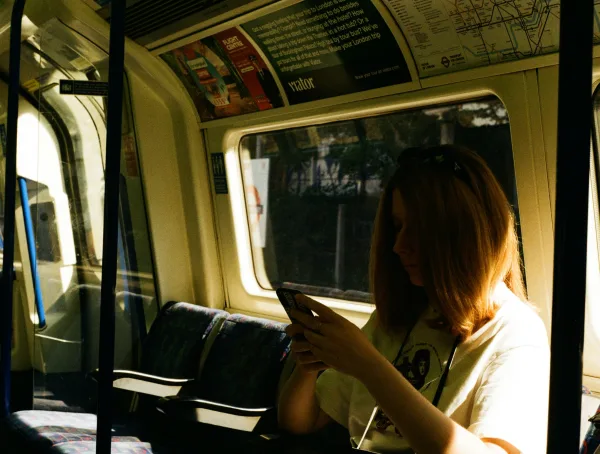
More than half of London’s underground Tube stations now have 4G and 5G mobile coverage, as Transport for London and Boldyn Networks confirm the rollout remains on track to cover the entire network by the end of 2026.
62 of London’s 121 underground stations now have coverage in their ticket halls, corridors and platforms — alongside the full Elizabeth line, which was completed in December 2024. That puts the project at roughly 60% of underground stations covered, with the remaining sections being delivered through 2026.
What’s New This Month
New tunnel sections that have gone live include parts of the Bakerloo line between Queen’s Park and Edgware Road, and sections of the Metropolitan line between Euston Square and King’s Cross St Pancras, and between Barbican and Moorgate.
For the first time, the Circle and District lines have gained coverage in tunnels — between Cannon Street and Monument, Sloane Square and Victoria, and Bayswater and Paddington. Two further stretches — Blackfriars to Cannon Street, and Notting Hill Gate to Bayswater — have also gone live.
Stations newly connected include Vauxhall, Temple, Nine Elms, Gloucester Road, Euston Square, Cannon Street and Battersea Power Station. Major interchange stations — King’s Cross St Pancras, Victoria and Paddington — are being connected in phases due to their size, starting with ticket halls and platforms.
What’s Next
TfL and Boldyn now expect the vast majority of the Northern and Metropolitan lines to have tunnel coverage by the end of summer 2026. Work is also continuing on the Victoria, Jubilee, Bakerloo and Piccadilly lines, on underground sections of the DLR, and on the Windrush line between Highbury & Islington and New Cross.
The project is being delivered under Boldyn Networks’ 20-year concession with TfL, signed in June 2021, using infrastructure from Nokia and other suppliers. All four major UK mobile operators — Three, EE, Vodafone and Virgin Media O2 — are part of the rollout. More than 600 engineers work overnight during limited engineering hours to install the equipment.
Why It Matters Beyond Phone Signal
Coverage on the network will also carry the Emergency Services Network (ESN) — giving police, fire and ambulance crews access to live data, images and information underground during emergencies.
For passengers, coverage means real-time access to TfL Go for service updates and journey planning while travelling — something previously only possible at street level or in stations with existing coverage.
What This Means for Your Commute
If you regularly travel on the Bakerloo, Metropolitan, Circle or District lines, check whether your daily route now falls within a connected section — TfL publishes an updated coverage map showing which tunnels and stations are live. For the full picture of which lines and stations have gained coverage so far in 2026, see our earlier coverage of the Tube’s 4G and 5G rollout.
Key Facts
| Detail | Information |
|---|---|
| Stations covered | 62 of 121 underground stations (~60%) |
| Elizabeth line | Fully covered since December 2024 |
| Target completion | End of 2026 |
| Northern & Metropolitan tunnels | Vast majority by end of summer 2026 |
| Operators involved | Three, EE, Vodafone, Virgin Media O2 |
| Delivery partner | Boldyn Networks (20-year concession, signed 2021) |
| Engineers working overnight | 600+ |
| New this month | Bakerloo, Metropolitan, Circle and District line sections |
Based on confirmed announcements from TfL and Boldyn Networks, June 2026.

