

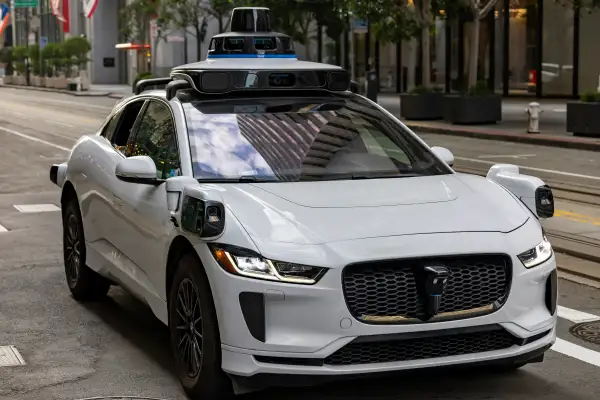
Dispute over hybrid versus independent autonomous taxi models threatens partnership between two companies planning to bring self-driving vehicles to UK capital
A significant disagreement has emerged between Waymo and Uber over how robotaxi services should be regulated, straining a commercial partnership between the two companies at precisely the moment both are preparing to launch autonomous vehicle services in London.
The dispute centres on a fundamental question about how the emerging autonomous taxi market should be structured — and the outcome may influence how self-driving vehicles operate on London’s streets.
What the Two Companies Are Arguing About
The core disagreement is over market structure rather than the technology itself.
Uber’s position is that robotaxi services should operate within hybrid networks — platforms where autonomous vehicles and human drivers coexist on the same app, serving passengers from a shared pool of available rides. Uber argues this model provides passengers with more reliable service, particularly for journeys that autonomous vehicles cannot yet complete independently.
Waymo’s position is that autonomous vehicle operators should be free to choose how they bring their services to market — including launching entirely independent applications without being required to integrate with existing ride-hailing platforms.
The disagreement surfaced publicly during regulatory discussions in Washington D.C., where Uber argued that draft legislation could make hybrid models harder to operate. The committee chair subsequently clarified that the legislation was not intended to restrict hybrid networks but to establish a clearer framework for autonomous vehicle deployment.
The Partnership Under Pressure
The dispute has put significant strain on the existing commercial relationship between the two companies. Waymo has notified Uber of its intention to launch its own dedicated app in Austin and Atlanta from January 2028 — a move that will end Uber’s exclusivity arrangement in those cities.
Waymo vehicles will remain available on the Uber platform until at least May 2028, when the current agreement between the two companies expires. After that point, the commercial relationship is expected to change substantially.
Uber has responded by emphasising its partnerships with multiple autonomous vehicle developers — including Zoox, Nuro, and Avride — positioning its platform as a multi-partner network rather than one dependent on any single autonomous vehicle provider.
What Is Happening in London
Despite their differences in the United States, both companies are actively preparing to bring autonomous taxi services to London — through different approaches.
Waymo has been conducting trials of its autonomous vehicles on London streets, gathering data in one of the world’s most complex urban driving environments. The company has indicated it plans to launch a full commercial service once the UK’s new automated vehicle regulatory framework officially comes into force.
Uber is taking a partnership approach, working with British self-driving technology company Wayve, which is currently conducting its own autonomous vehicle trials in London. This arrangement fits Uber’s broader strategy of integrating autonomous technology from multiple developers into its existing platform.
The UK Regulatory Framework
The UK government took a significant step toward commercial autonomous vehicle deployment on 22 May 2026, when it opened applications for operators to join a self-driving vehicles pilot scheme. The scheme is designed to allow taxi and bus-style self-driving vehicles to operate on British roads within a structured framework, providing a route to commercial viability for companies that have completed extensive testing.
However, operators seeking to run commercial autonomous taxi services in London face an additional layer of approval. Transport for London must provide local consent for any commercial autonomous vehicle operations within the capital — meaning national regulatory approval alone is not sufficient to launch services in London.
TfL’s involvement introduces considerations beyond pure road safety, including impact on existing licensed taxi and private hire vehicle markets, integration with the wider public transport network, and accessibility requirements for disabled passengers.
Why the Waymo-Uber Dispute Matters for London
The regulatory disagreement between Waymo and Uber in the United States is relevant to London because it will likely influence the commercial models both companies propose to UK regulators.
If Waymo pursues an independent app model in the UK — as it intends to in Austin and Atlanta — it would operate as a direct competitor to Uber in London rather than a partner. If hybrid models are ultimately required or preferred by UK and London regulators, Waymo would face pressure to maintain platform integration with ride-hailing services.
The outcome of ongoing regulatory discussions in the US is being watched closely by policymakers in the UK, where the government is simultaneously trying to attract autonomous vehicle investment while managing the interests of London’s approximately 100,000 licensed taxi and private hire drivers.
What This Means for Londoners
For passengers, the practical implications of autonomous taxis in London remain some way off. Commercial launch depends on both national regulatory approval and TfL consent, and the timeline for full commercial service — as opposed to controlled trials — has not been confirmed by either company.
When autonomous taxis do arrive, the Waymo-Uber dispute will have direct consequences for how Londoners access them. A hybrid model would mean self-driving rides are bookable through existing apps alongside human drivers. An independent Waymo app would require passengers to download and use a separate service.
Both companies have publicly expressed enthusiasm for the London market, citing the capital’s scale, diversity of road conditions, and status as a global city as factors making it a priority for international expansion.

