

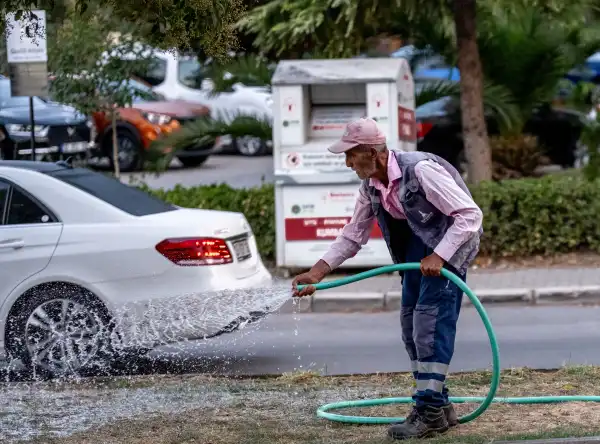
Temporary Use Ban covers washing private vehicles, watering gardens and filling paddling pools as dry spring and three heatwaves trigger restrictions across the capital
London drivers risk a fine of up to £1,000 for washing their car with a hosepipe connected to the mains water supply after Thames Water introduced a Temporary Use Ban coming into effect today.
The restrictions apply to all Thames Water customers across London and the wider supply area, following what the company describes as an exceptionally dry spring, three official heatwaves, and sustained high water demand across its network.
What the Ban Actually Prohibits
The Temporary Use Ban prevents Thames Water customers from using a hosepipe connected to the mains water supply for a range of non-essential activities. Restricted uses include:
- Washing private vehicles with a mains-connected hosepipe
- Watering gardens using a mains-connected hosepipe
- Filling paddling pools or garden water features
- Topping up hot tubs from the mains supply
- Cleaning paths, patios, or outdoor surfaces with a hosepipe
The £1,000 maximum fine applies to households found breaching the restrictions. Thames Water has the authority to issue fixed penalty notices for non-compliance, and the ban is enforceable under water industry legislation.
What Is Still Legal Under the Ban
The ban is specifically targeted at hosepipe use connected to the mains supply — it does not prohibit all methods of washing a vehicle or watering a garden. Legal alternatives include:
For washing cars:
- Buckets and sponges filled from a tap — decanting water into a container is permitted
- Commercial car washes — professional facilities operate under separate water use arrangements and are not affected by the Temporary Use Ban
- Collected rainwater — water stored in a water butt or similar container can be used freely, including with a pressure washer fitted with a suction attachment drawing from the collected supply rather than the mains
For gardens:
- Watering cans filled from a tap remain permitted
- Grey water reuse — water collected from baths, showers, or washing up can be used on gardens
- Collected rainwater from water butts
Customers should verify the current status of exemptions with Thames Water directly, as guidance may be updated as the ban progresses.
The Water Butt and Pressure Washer Option
One legal car-cleaning method that many households may not be aware of involves combining a rainwater collection system with a pressure washer.
A pressure washer fitted with a suction hose attachment can draw water directly from a water butt or container of collected rainwater rather than connecting to the mains supply. This arrangement falls outside the ban’s restrictions entirely, as no mains connection is involved.
Pressure washers also use significantly less water than a standard garden hosepipe. A conventional hosepipe can deliver large volumes of water during a single vehicle wash, while a pressure washer achieves effective cleaning through water pressure rather than volume — removing road grime, brake dust, and general debris more thoroughly while using considerably less water overall.
Why Thames Water Has Introduced the Ban
Thames Water has cited three specific factors driving the decision:
Exceptionally dry spring: Rainfall across the Thames Water supply area has been significantly below seasonal averages during spring 2026, reducing reservoir and groundwater levels that would normally be replenished during this period.
Three official heatwaves: Periods of sustained high temperatures increase both domestic water demand and evaporation from reservoirs and treatment infrastructure, reducing available supply while demand rises.
Sustained high demand: Customer water usage has remained consistently elevated, reflecting both the dry conditions and population growth across the supply area.
Thames Water supplies drinking water to approximately 15 million customers across London, the Thames Valley, Surrey, Gloucestershire, and parts of other surrounding counties — making its supply area one of the largest served by a single water company in the UK.
How to Check If You Are Affected
The Temporary Use Ban applies only to customers supplied with drinking water by Thames Water. Some properties in London and surrounding areas are supplied by other water companies and are not covered by this ban.
Customers can confirm whether their property is within the Thames Water supply area by checking their water bill or visiting the Thames Water website and entering their postcode.
Thames Water’s Recent History
The introduction of this ban arrives during a period of significant public and regulatory scrutiny of Thames Water. The company has faced sustained criticism over sewage discharge incidents, leakage rates from its pipe network, and financial difficulties. Critics have argued that investment in network resilience and leakage reduction would reduce the frequency and severity of supply restrictions during dry periods.
Thames Water’s own leakage data has shown the company loses a significant volume of treated water through pipe leaks before it reaches customers — a figure that has prompted calls from environmental groups and politicians for accelerated investment in infrastructure repair as a more sustainable response to supply pressures than demand restrictions alone.
Practical Guidance for London Households
Check your supply area: Confirm you are a Thames Water customer before assuming the ban applies.
Switch to a bucket: The simplest compliant car-washing method remains filling a bucket from a tap and washing by hand. This uses less water than a hosepipe and is entirely permitted.
Visit a commercial car wash: Drive-through and hand car wash facilities are not restricted by the ban and remain the most convenient option for a thorough vehicle clean during the restriction period.
Install a water butt: If you do not already collect rainwater, a water butt fitted to a downpipe can be installed quickly and inexpensively, providing a compliant water source for both garden use and vehicle washing throughout any future restriction periods.
Report concerns: Thames Water operates a reporting mechanism for customers who believe neighbours are breaching the ban, available through its website and customer service line.

