

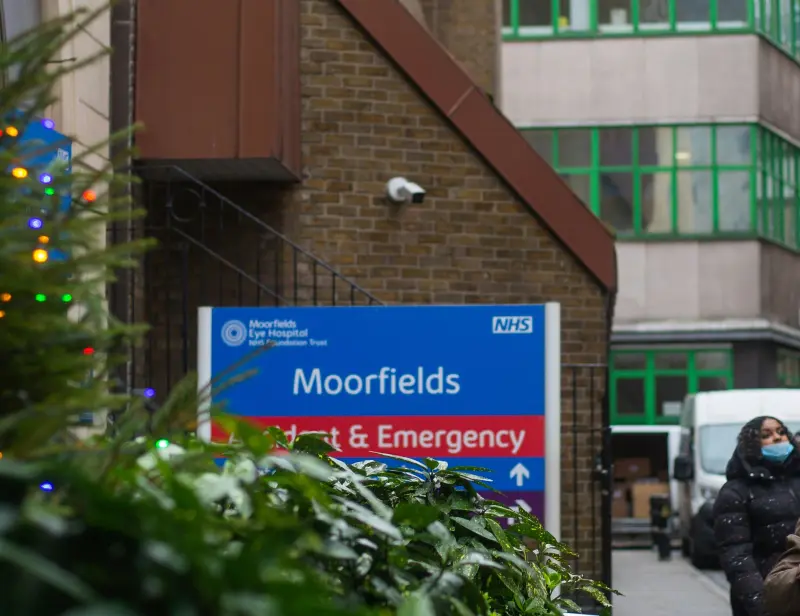
Ambulance service responded to nearly 134,000 call-outs in a single month as NHS performance held steady despite extreme summer conditions
London’s NHS handled some of the highest patient volumes on record during July 2026, treating more than 434,000 people in accident and emergency departments and responding to almost 134,000 ambulance incidents as temperatures across the capital reached 38°C.
New figures published today show that despite the exceptional demand, performance across London’s A&E departments remained stable, with 77.6 percent of patients admitted, transferred, or discharged within four hours — unchanged from the previous month.
The Scale of July’s Demand
The July figures represent a sustained surge in NHS activity that has been building since May 2026. Compared to April, London’s NHS saw:
- 22,096 more people attending A&E departments
- 10,490 additional ambulance incidents
This sustained increase over multiple months — rather than a single spike — has placed cumulative pressure on staff, equipment, and capacity across London’s hospital network throughout the summer period.
The London Ambulance Service experienced some of its busiest individual days in its operational history during July, with 999 call handlers and crews managing call volumes that pushed the service to its limits during peak temperature periods.
How London’s NHS Maintained Performance
Maintaining a stable four-hour performance rate of 77.6 percent against this volume of demand required significant operational effort across multiple trusts.
Individual NHS trusts deployed specific measures to manage both patient care and staff welfare during the extreme heat. Homerton Healthcare NHS Foundation Trust deployed 86 portable air conditioning units to support frontline services, while a newly installed low-carbon heating and cooling system in its Maternity Unit’s Turpin and Templar Wards generated positive feedback and a measurable reduction in temperature-related complaints from patients and staff.
Across the network, hospital teams adapted working patterns and patient flow processes to manage the combination of high temperature and high volume — conditions that create specific clinical challenges including increased presentation of heat-related illness, higher rates of dehydration-related complications, and additional physical strain on staff working in non-air-conditioned environments.
The Heat Health Risk for Londoners
Extreme heat poses specific and well-documented health risks, particularly for vulnerable groups. NHS clinicians and the UK Health Security Agency consistently identify the following as highest risk during heatwaves:
- Older adults, particularly those living alone or in care settings
- Young children and infants
- People with pre-existing cardiovascular, respiratory, or kidney conditions
- Those taking medications that affect the body’s ability to regulate temperature
- People experiencing homelessness with limited access to cool environments
- Workers in outdoor or non-air-conditioned settings
Heat-related illness ranges from heat exhaustion — characterised by heavy sweating, weakness, cold and clammy skin, and a weak pulse — to heat stroke, a medical emergency in which the body’s temperature regulation fails and core temperature rises to dangerous levels. Heat stroke requires immediate emergency treatment.
The increased A&E presentations seen in July reflect both direct heat-related illness and the indirect effects of heat on pre-existing conditions — cardiovascular events, respiratory deterioration, and falls are all more common during periods of sustained high temperature.
NHS Guidance for Staying Safe in the Heat
London’s NHS and ambulance service are urging residents to take straightforward protective steps during continued warm weather:
During the day:
- Stay in the shade between 11am and 3pm when temperatures peak
- Wear loose, light-coloured clothing, a hat, and sunglasses outdoors
- Apply sunscreen of SPF 30 or higher and reapply every two hours or after swimming or sweating
Hydration:
- Drink fluids regularly throughout the day — do not wait until thirsty, as thirst indicates dehydration is already beginning
- Limit alcohol and caffeine, both of which increase fluid loss and impair the body’s ability to regulate temperature in high heat
Looking out for others:
- Check on elderly neighbours, relatives, or those living alone
- Ensure children and pets are not left in vehicles or enclosed spaces
- Be aware that people with mental health conditions may be at additional risk from heat, particularly those taking certain medications
Using NHS Services Wisely
With demand remaining high, London’s NHS is asking residents to use services appropriately to protect capacity for the most serious cases.
NHS 111 — For non-emergency health concerns, 111.nhs.uk online or calling 111 provides access to clinical assessment and advice. For mental health support, callers should select option 2 when connected, which provides direct access to mental health clinicians.
999 — The emergency line should be reserved for life-threatening situations: serious injury, chest pain, difficulty breathing, loss of consciousness, or signs of stroke or heart attack.
GP and pharmacy — For non-urgent conditions, contacting a GP surgery or speaking with a pharmacist remains the appropriate first step.
Darren Farmer, Director of Ambulance Operations at London Ambulance Service, said the service had experienced a summer of sustained hot weather with some of the busiest days in its history and urged Londoners to stay hydrated, avoid strenuous activity during the hottest part of the day, and consume alcohol only in moderation during high temperatures.
The Broader NHS Pressure Picture
July’s figures sit within a pattern of elevated NHS demand across London that has been building throughout the summer. The combination of population growth, an ageing demographic, mental health demand, and now climate-driven seasonal pressure is creating a sustained challenge for London’s health system that extends beyond any single month or weather event.
Dr Chris Streather, Regional Medical Director for the NHS in London, said July represented a continuation of the significant surge in demand seen since May and acknowledged the uncomfortable working conditions staff have faced throughout the period. He said Londoners can help reduce pressure by using NHS 111 as a first port of call and by taking straightforward steps to stay safe in the heat.

